Best Stability Recovery Shoes Under $150
The Brooks Adrenaline GTS 24 edges the Hoka Arahi 9 for the top spot. Ranked by popularity, freshness and fit.
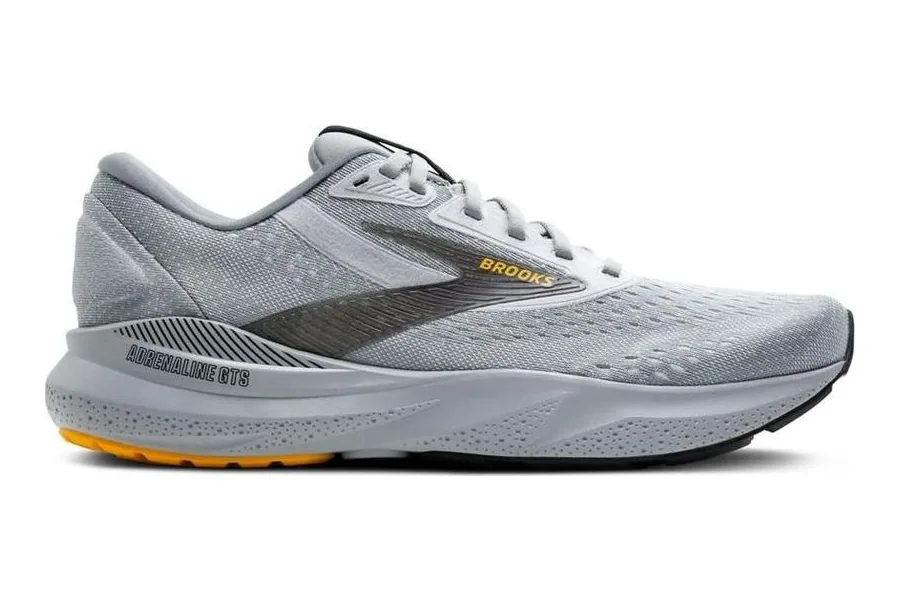 Adrenaline GTS 24Daily · Balanced · Stability10.3oz12mm drop36mm stackUnobtrusive GuideRails support.$140Details →02
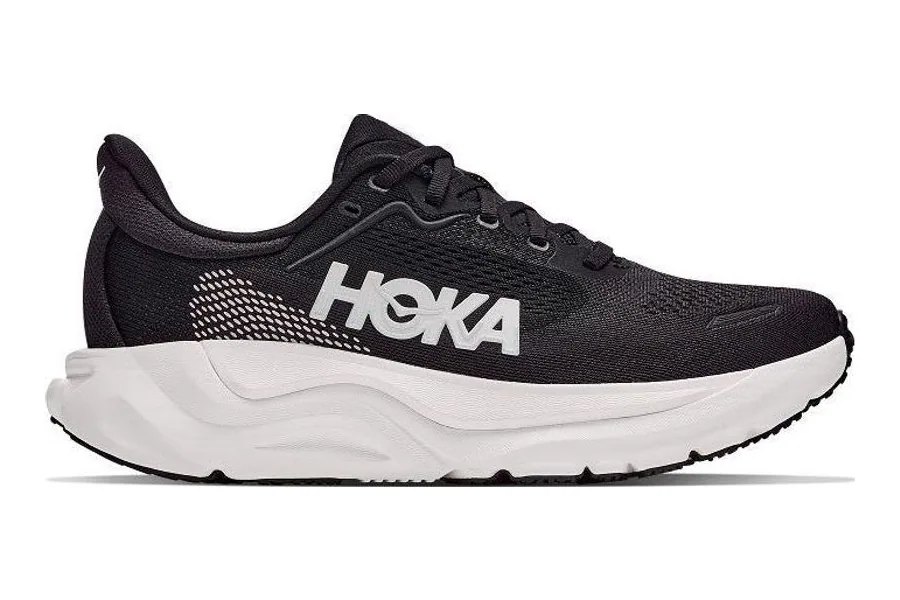 Arahi 9Daily · Balanced · Stability9.7oz8mm drop39mm stackLighter than the Arahi 8.$150Details →03
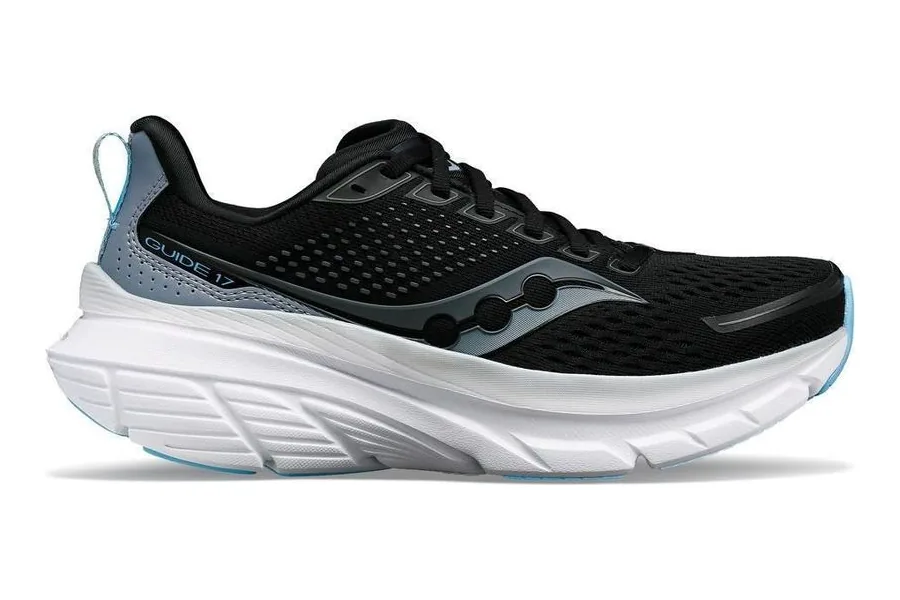 Guide 17Daily · Balanced · Stability9.4oz6mm drop35mm stackUnobtrusive, natural-feeling support.$140Details →
The rest of the top 12
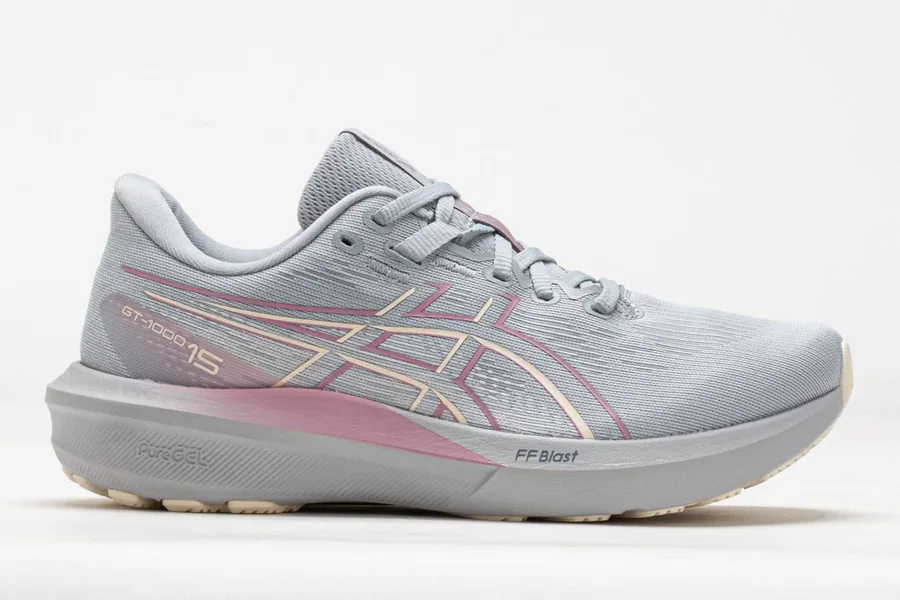 04ASICS GT-1000 15$1009.4oz8mm dropModerate stability
Strong value for supported miles.
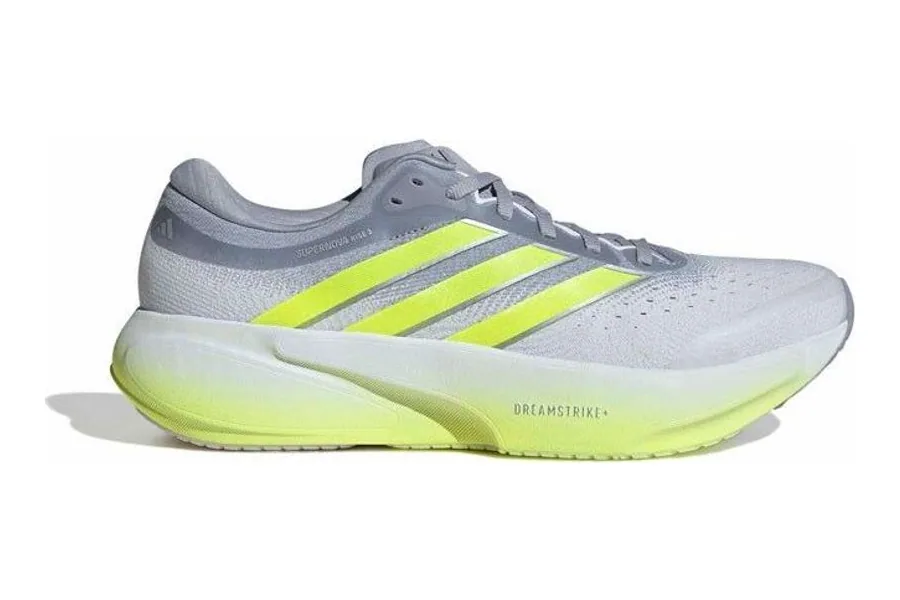 05Adidas Supernova Rise 3$14010oz10mm dropMild stability
Reliable daily workhorse.
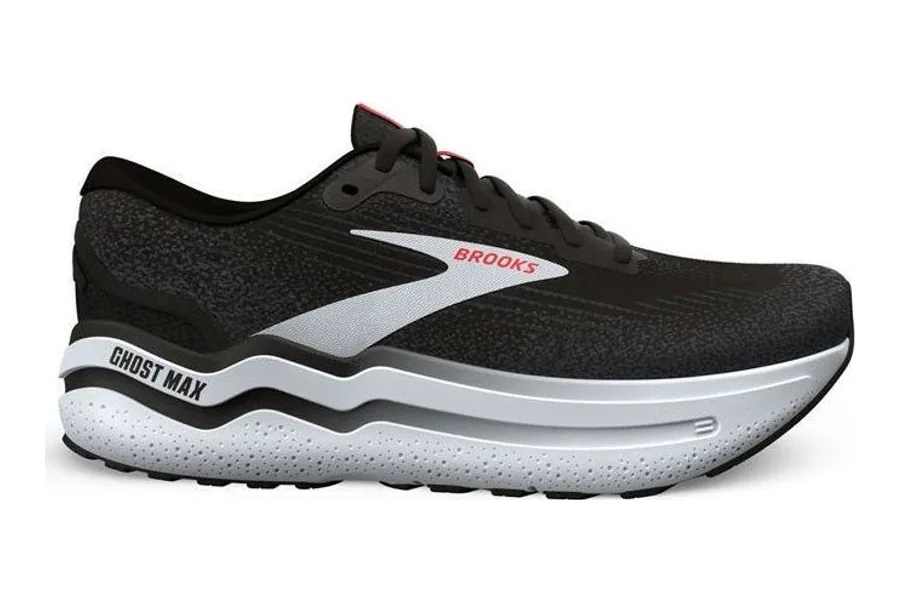 06Brooks Ghost Max 2$15010.8oz6mm dropMild stability
Protective max cushioning with a stable wide base.
 07Mizuno Wave Inspire 20$14010.7oz12mm dropModerate stability
Dependable Wave-plate stability.
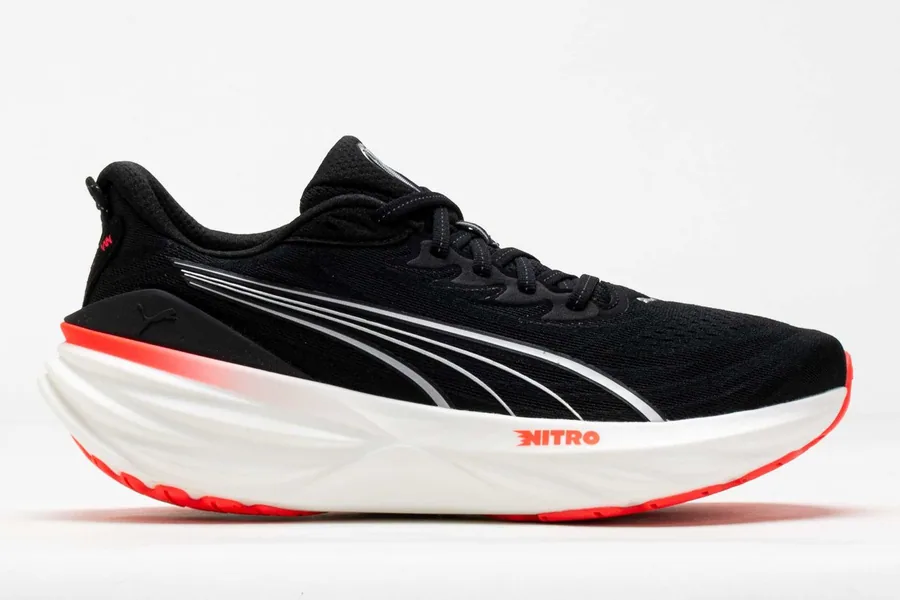 08Puma ForeverRun Nitro 3$1509.5oz8mm dropModerate stability
Comfortable modern stability without a hard post.
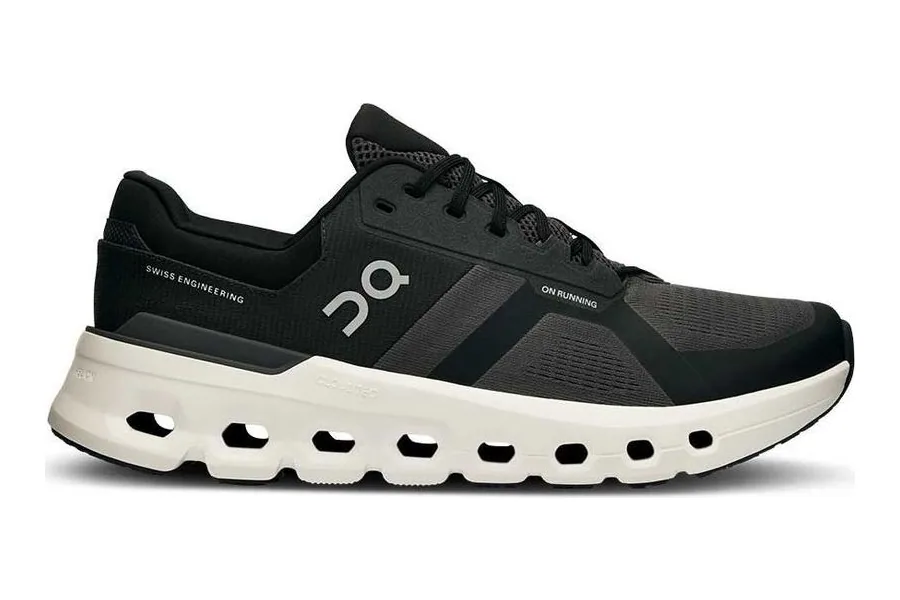 09On Cloudrunner 2$15010.3oz9mm dropMild stability
Stable, planted feel.
Adidas10Adidas Supernova Solution 3$1509.9oz8mm dropMild stabilityModern unintrusive Guide Your Ride support.
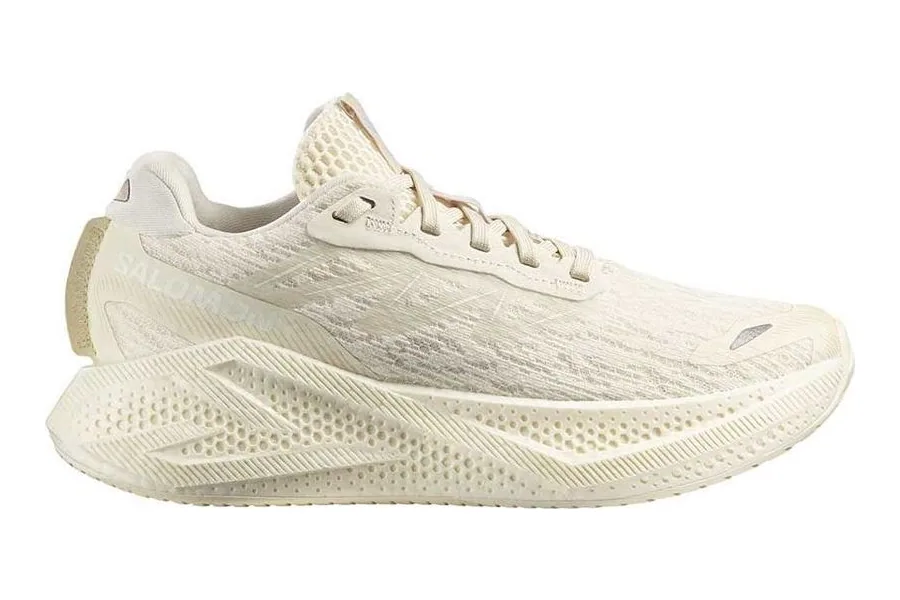 11Salomon Aero Glide 4$1409.6oz9mm dropMild stability
High, protective stack for recovery and long runs.
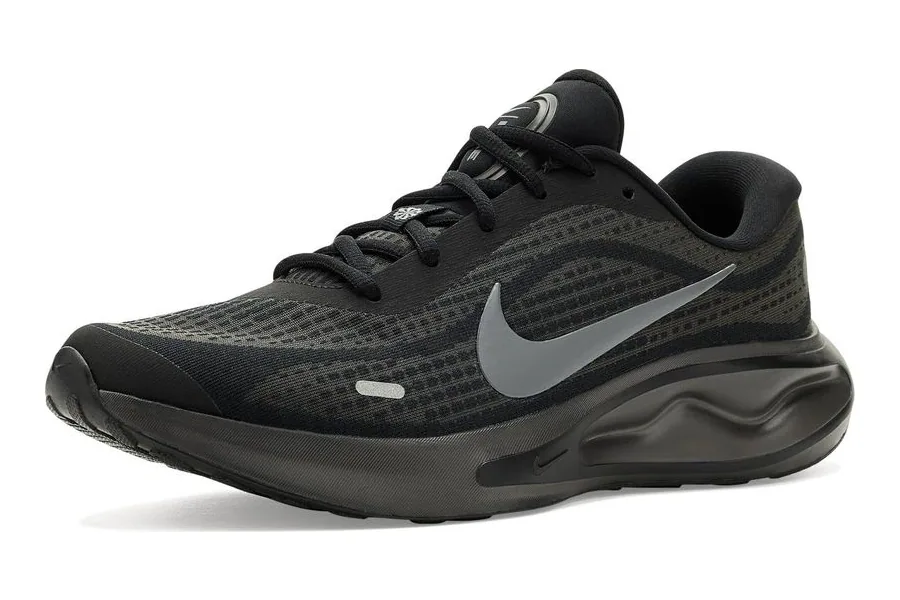 12Nike Journey Run$9010.8oz10mm dropMild stability
Excellent value.
Also on the list, #13 to #17
Specs side by side
| # | Shoe | Price | Weight | Stack | Drop | Support |
|---|---|---|---|---|---|---|
| 1 | Brooks Adrenaline GTS 24 | $140 | 10.3 oz | 36 mm | 12 mm | Moderate stability |
| 2 | Hoka Arahi 9 | $150 | 9.7 oz | 39 mm | 8 mm | Moderate stability |
| 3 | Saucony Guide 17 | $140 | 9.4 oz | 35 mm | 6 mm | Moderate stability |
| 4 | ASICS GT-1000 15 | $100 | 9.4 oz | 35 mm | 8 mm | Moderate stability |
| 5 | Adidas Supernova Rise 3 | $140 | 10.0 oz | 36 mm | 10 mm | Mild stability |
| 6 | Brooks Ghost Max 2 | $150 | 10.8 oz | 39 mm | 6 mm | Mild stability |
| 7 | Mizuno Wave Inspire 20 | $140 | 10.7 oz | 38 mm | 12 mm | Moderate stability |
| 8 | Puma ForeverRun Nitro 3 | $150 | 9.5 oz | 38 mm | 8 mm | Moderate stability |
| 9 | On Cloudrunner 2 | $150 | 10.3 oz | 32 mm | 9 mm | Mild stability |
| 10 | Adidas Supernova Solution 3 | $150 | 9.9 oz | 35 mm | 8 mm | Mild stability |
| 11 | Salomon Aero Glide 4 | $140 | 9.6 oz | 39 mm | 9 mm | Mild stability |
| 12 | Nike Journey Run | $90 | 10.8 oz | 33 mm | 10 mm | Mild stability |
| 13 | Altra Experience Form | $145 | 9.6 oz | 32 mm | 4 mm | Moderate stability |
| 14 | Saucony Omni 22 | $140 | 10.1 oz | 35 mm | 8 mm | Moderate stability |
| 15 | Saucony Procyon Max | $120 | 10.7 oz | 38 mm | 6 mm | Mild stability |
| 16 | Hoka Kawana 3 | $140 | 10.0 oz | 38 mm | 5 mm | Mild stability |
| 17 | Reebok FloatZig Symmetros | $150 | 10.8 oz | 33 mm | 6 mm | Mild stability |
Narrow it down
How this list works
We track 17 models that count as stability recovery shoes under $150. They run $90 to $150. Median weight is 10.0 oz in a men's size, median drop 8 mm.
To make the list, a shoe is listed for recovery runs, has mild, moderate or motion control support and lists at $150 or less. Where an older version also qualifies we list only the newest, which leaves off 9 older versions.
The Brooks Adrenaline GTS 24 ranks first: $140, 10.3 oz, a 36 mm heel stack and 12 mm of drop. It's the most popular shoe on the list (84 out of 100), and the Hoka Arahi 9 ties it on points, so the tiebreak decides. Its best trait: unobtrusive GuideRails support.
The catch: heavy and firm-riding. If $140 is more than you want to spend, the Nike Journey Run costs $90 and ranks #12 here. Runners who want less shoe on their feet should look at the Saucony Guide 17, 0.9 oz lighter at 9.4 oz.
How we rank: each shoe starts with our 0 to 100 popularity score, gets 5 points if it came out in the last 12 months (2 if in the last 24), plus fit points for these criteria: 3 points for moderate support or more; 1 point per $10 under $150, up to 5. Ties go to the more popular shoe. We don't take payment for placement.
Questions, answered from our data
What are the best stability recovery shoes under $150?
The Brooks Adrenaline GTS 24 ranks first of the 17 we track, at $140 and 10.3 oz. The Hoka Arahi 9 is second and costs $10 more. The ranking leans on popularity and recency, so check the specs against how you run.
How much do stability recovery shoes under $150 cost?
List prices run $90 to $150, with a median of $140. The cheapest is the Nike Journey Run, ranked #12. The most expensive is the Hoka Arahi 9 at $150.
Which one is the lightest?
The Saucony Guide 17 at 9.4 oz in a men's size (8.1 oz in a women's). The heaviest is the Brooks Ghost Max 2 at 10.8 oz, so the spread is 1.4 oz per shoe.
How much cushion do they have?
Heel stacks run 32 mm to 39 mm, median 36 mm. The Hoka Arahi 9 stands tallest. More stack means more protection on long or tired runs, and a bit less feel for the ground.
What heel to toe drop do they have?
The median is 8 mm. 1 of the 17 drop 4 mm or less (the Altra Experience Form is flattest at 4 mm), and 11 sit at 8 mm or more. If you're coming from a higher drop, move down a few millimeters at a time.
Which have a wide toe box?
The Hoka Arahi 9, the Brooks Ghost Max 2 and the Altra Experience Form. Many brands also sell wide sizes of standard models, so check the size chart before you rule a shoe out.
Runner Toolkit may earn a commission from retailer links. That never changes the order of this list or the price you pay. Not sure? The Shoe Finder picks three in three taps.