The 4% figure came from very fast men
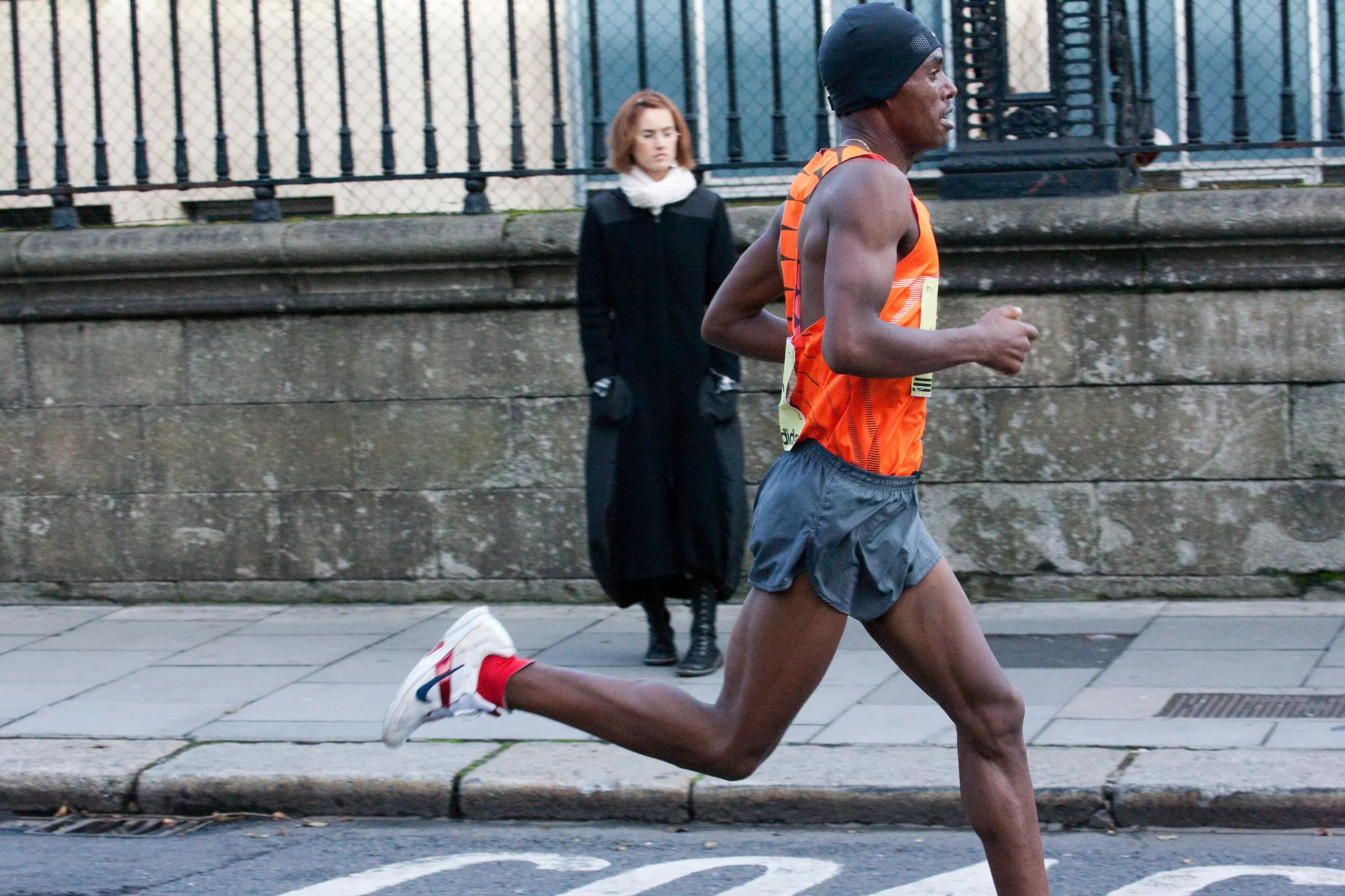
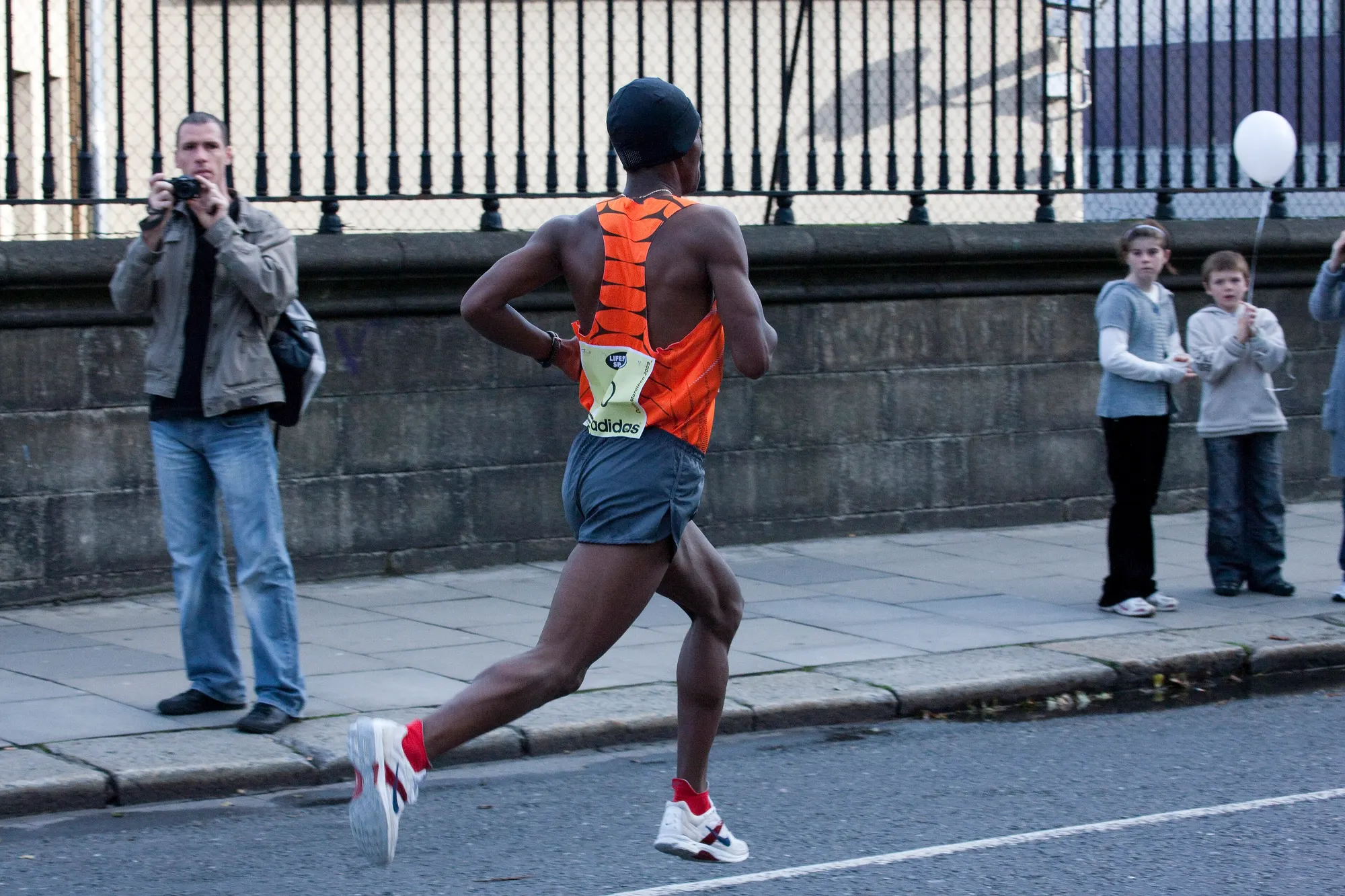
Hoogkamer and colleagues (2018, Sports Medicine) put 18 male runners on a treadmill at three speeds in the Nike Vaporfly prototype and two established marathon shoes. Energetic cost was lower by 4.16% and 4.01% against the two other shoes. Each runner had run a 10K in under 31 minutes.
That is faster than 5:00 per mile. We have no number we trust for a 9:00 runner, so we don't quote one.
A plate is one part of the shoe
Foam, stack and rocker shape do much of the work, and some of the best fast shoes in our data have no plate. The ASICS Hyper Speed 6 is $95 and 6.6 oz with no plate.
Plated racers also cost more. Our data lists durability as "only fair" for the $250 Adidas Adizero Adios Pro 4.
The value pick is the Magic Speed 5
The ASICS Magic Speed 5 has a full carbon plate for $160 at 8 oz, 39 mm stack and 8 mm drop. Our data says it is tough enough for repeated tempo sessions and lists it as a legitimate racer.
Compare that with the $260 Nike Vaporfly 4, which weighs 6 oz. The extra $100 buys 2 oz, and the Vaporfly has a narrow fit.
The options by budget
- $95: Hyper Speed 6, no plate, for 5K and 10K.
- $160: Magic Speed 5, carbon plate, for a half marathon or marathon.
- $175: Saucony Endorphin Speed 6, nylon plate, for tempo runs and race day.
- $260: Vaporfly 4, top-tier carbon, if the budget allows it.
Who plated shoes are wrong for
- Runners with wide feet. The Vaporfly 4 is a narrow fit. The Altra Vanish Carbon 3 is $240 with a wide toe box.
- Runners who would wear them every day. Save the plate for races and key workouts.
- Anyone who hasn't run a few miles in them first. Our guide to your first racing shoe covers the break-in runs.
Filter by budget and distance on the shoe selector.
Find the shoes that fit your running
Four questions narrow hundreds of current road shoes to three, each with a reason.